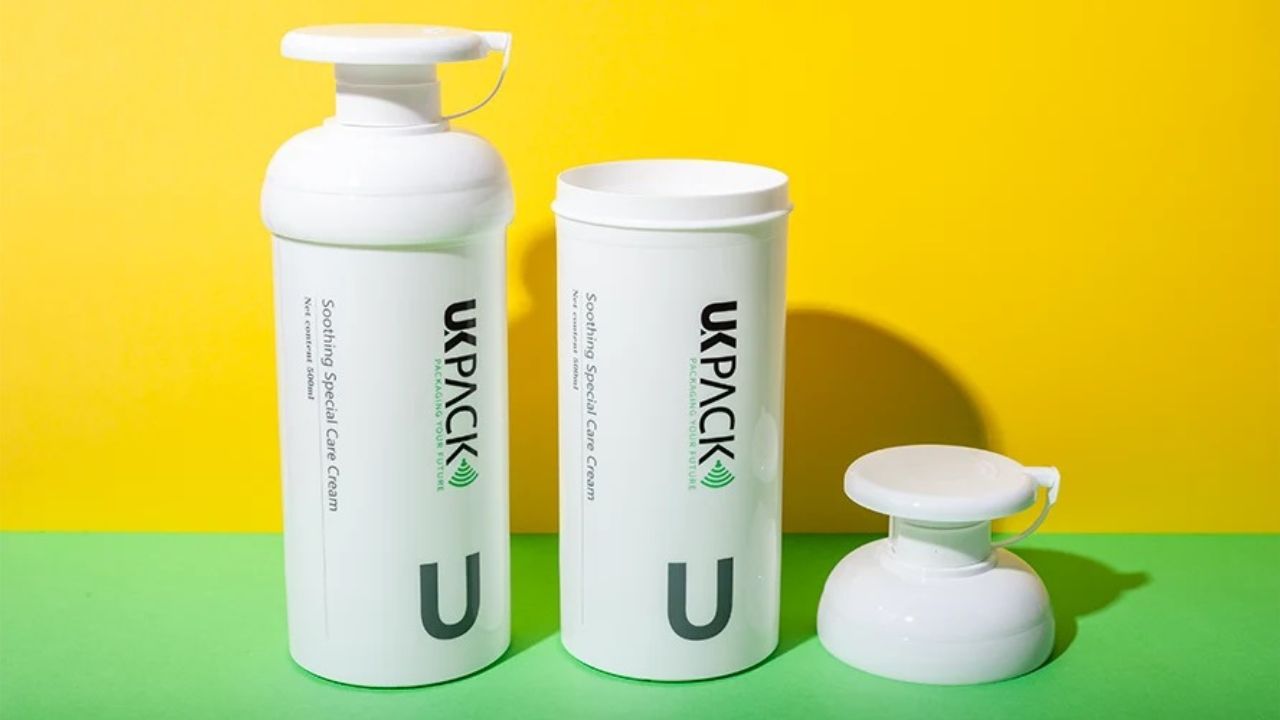
With the increasing pressure on beauty and personal care brands to be more sustainable and cost-effective, packaging decisions are no longer made on aesthetic value but are a strategic one. The use of a big capacity airless pump bottle, which is generally 300ml to 500ml, is gradually becoming one of the viable solutions that would not only reduce refills but also encourage cost efficiency in the long run. The containers assist brands in streamlining the supply chain, reducing waste in materials, and enhancing value to consumers by integrating increased volume with improved airless technology.
Refill Reduction in Contemporary Packaging
The refill reduction is the reduction in the number of times the consumer has to repeat or refill the packaging of the same product category. Older, small-volume bottles commonly need to be replaced on a regular basis, which generates an extra amount of packaging waste and increases the logistics costs. Airless, big capacity bottles will greatly increase the duration of use of the product, as the individual will be able to use the product for longer periods because it remains in one container. This will lower the overall amount of bottles that get into the market and eventually lower the pollution of the environment without the need to compromise convenience.
Product Maximization of Airless Technology
Airless systems are made to pump products into the container through a piston or diaphragm system that does not allow air to enter the container. This technology is even more effective in large potential formats. The airtight system is used to keep oxidation and contamination of formulations during the long period of the extended life cycle. This means that almost all the content in the bottle is used effectively, which reduces the amount of leftover contents that will result in untimely disposal. This complete evacuation capacity ensures that even larger amounts are not converted into additional waste.
Economy of Costs in the Number of Units
The direct financial gain of the large-capacity airless bottles is the minimization of the number of units of packaging needed over time. A decrease in the number of bottles will imply reduced costs of production in terms of raw materials, components, and assembly. Labels, secondary packaging, and quality checks can also be cut down by the brands. On large production quantities, such accumulation is fast, and any format with a large capacity makes it a cost-efficient choice when it comes to mass-market products and professional lines.
Savings in Logistics and Transportation
Efficiency in shipping is important in cost management in general. Although larger bottles might seem heavier, singly, they can result in a decrease in the frequency of shipments. A decrease in volume of transportation lowers the cost of handling, warehousing, and transportation. Also, the airless bottles are durable and leak-proof in design, which reduces the chances of damage or loss of the product during transportation. This also ensures that the brands are not impacted by the hidden costs of returns or replacements.
Developed Value Perception for the Consumers
In terms of the consumers, it is possible to note that airless big capacity bottles provide a high sense of value. Better quantities also lessen the necessity of habitual buying, and this is particularly attractive to the everyday usage products like lotions, shampoos, body care products, and professional salon formulas. In conjunction with accurate, regulated dispensing, consumers have a regular dosage that will not be overused. Such a balance between the number and control fills trust in the brand and contributes to being more responsible in consumption habits.
Backing Sustainability Goals
A large amount of airless bottles with high capacity is produced with recyclable materials like PP plastic and the possibility of post-consumer recycled material. The brands can make quantifiable steps to achieve sustainability goals by minimizing the overall quantity of containers needed across the lifecycle of a product. The concept of refill reduction is not based on consumer behavioural changes but is directly integrated into the packaging design, which means that it is a more consistent and scalable way of ensuring that a particular company is environmentally responsible.
Brands and Markets: Long-term benefits
Big-capacity airless bottles are a strategic advantage to a brand that operates in a competitive market. They combine cost-effectiveness and sustainability, enhance product protection, and deliver premium positioning without complexity. These bottles are also beneficial in the workplace because they enhance the efficiency of operations in workplaces like spas, clinics, and salons by lowering the downtimes caused by the frequent replacement of the bottles. In the long term, the refill decrease and cost optimization will result in greater brand loyalty and profit margin.
Conclusion
The design of the big-capacity airtight bottles shows that a well-considered packing design can bring both practical economic and environmental rewards. These containers facilitate an efficient and sustainable model of packaging by minimizing the refill rate, improving the use of the product, and decreasing the cost of production and logistics. With consumer demands and regulatory challenges constantly changing, airless products in large sizes have a significant future to assume the centre stage in the history of affordable high-responsibility beauty packaging.